

This post contains Amazon Associate affiliate links. As an Amazon Associate, Got the Eats earns from qualifying purchases at no extra cost to you.
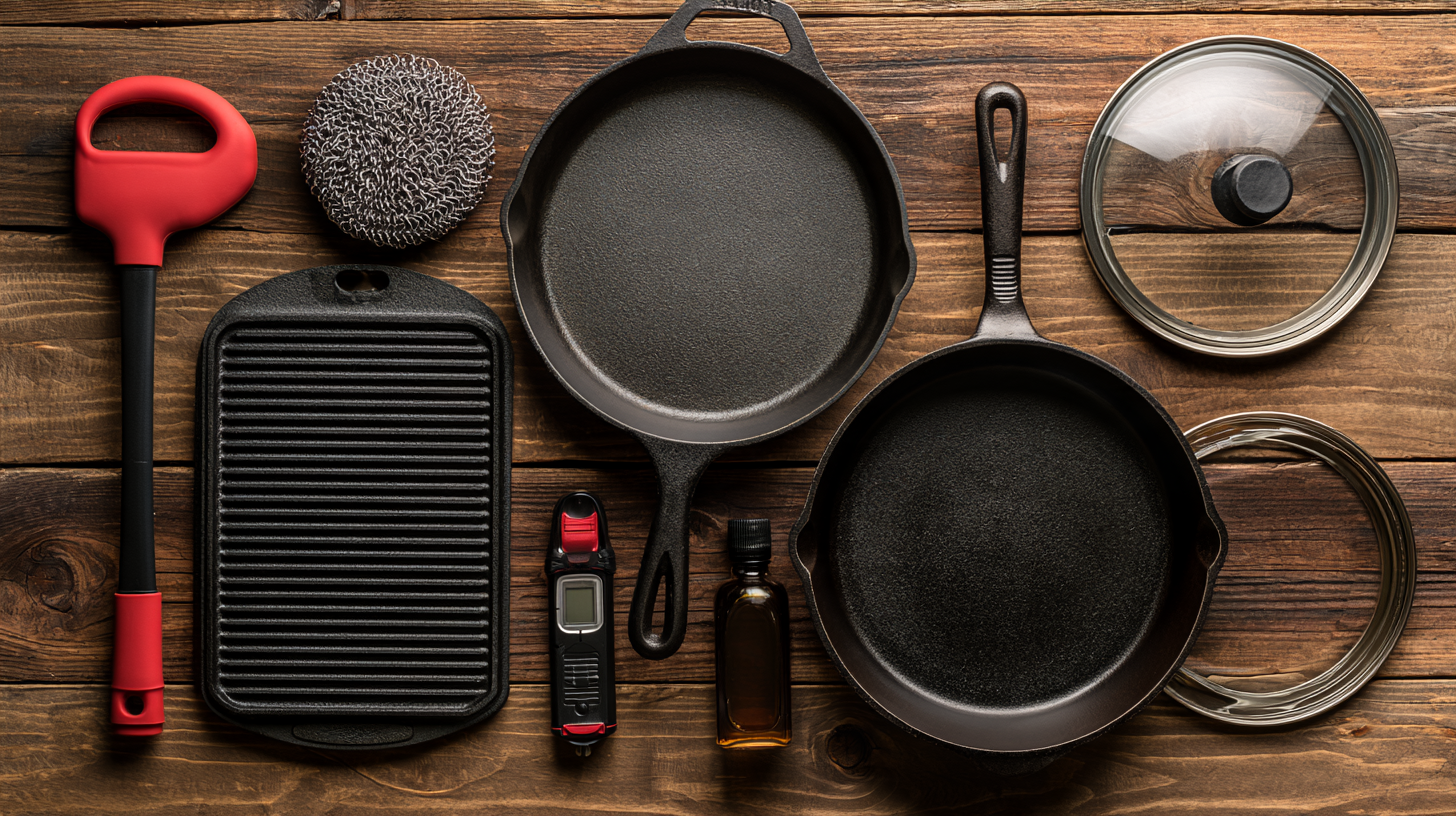
If there’s one pan that punches way above its price, it’s cast iron. It gives you that deep, golden crust on steak and grilled cheese, goes from stovetop to oven, and with basic care it can last for decades. The best part? You don’t need to spend a lot to get started. Here are the 8 cast iron essentials we recommend for beginners, plus which Got the Eats recipes to make first.
Quick picks
| Gear | Best for |
|---|---|
| 10-inch cast iron skillet | Your first pan; cooking for 1–2 |
| 12-inch cast iron skillet | Steak night and family meals |
| Reversible cast iron griddle | Pancakes, smash tacos, grill marks |
| Silicone handle holder | Protecting your hands |
| Chainmail scrubber | Easy cleanup |
| Cast iron seasoning oil | Keeping the surface slick |
| Instant-read thermometer | Perfectly cooked meat |
| Universal glass lid | Melting cheese, trapping heat |
1. A 10-inch cast iron skillet
Why you need it: This is the do-everything starter pan. It’s big enough for two steaks or a couple of grilled cheese sandwiches but still easy to lift and store. Look for one that comes pre-seasoned so you can start cooking right away. Lodge is a classic, widely available brand made in the USA.
Try it with: The Only Grilled Cheese Recipe You’ll Ever Need
2. A 12-inch cast iron skillet
Why you need it: If you cook for a family or love steak night, the extra room matters. Crowding the pan makes meat steam instead of sear, and a 12-inch skillet gives everything space to brown. It’s heavier, so look for one with a helper handle on the opposite side.
Try it with: Garlic Butter Steak Bites and Steakhouse-Style Pan-Seared Sirloin
3. A reversible cast iron griddle
Why you need it: One side is flat for pancakes, eggs, and smash tacos; the other has ridges for grill marks on steak and veggies. Many fit across two burners, so you can cook a big batch at once.
Try it with: Viral Chicken Smash Tacos and Blender Cottage Cheese Protein Pancakes
4. A silicone handle holder
Why you need it: Cast iron handles get just as hot as the pan. A slip-on silicone sleeve is a small, inexpensive upgrade that helps prevent burns, especially when moving a skillet from the oven.
5. A chainmail scrubber
Why you need it: Stuck-on bits come off fast with a chainmail scrubber and hot water, without scraping away your seasoning like steel wool can. It rinses clean and lasts for years.
6. Cast iron seasoning oil
Why you need it: A thin coat of oil after cleaning keeps your pan’s surface smooth and protected from rust. Any neutral, high-smoke-point oil works, but a dedicated seasoning oil or spray makes it quick and easy.
7. An instant-read meat thermometer
Why you need it: It takes the guesswork out of steak, chicken, and pork. A fast digital thermometer tells you exactly when to pull your food, so you get juicy results and safe temperatures every time.
Try it with: Steakhouse-Style Pan-Seared Sirloin
8. A universal glass lid
Why you need it: Most cast iron skillets don’t come with a lid. A universal glass lid fits several pan sizes and lets you watch your food while trapping heat, which is perfect for melting cheese or finishing thicker cuts.
Try it with: Crispy Cast Iron Grilled Cheese
Cast iron care in 4 simple steps
- Clean it while it’s warm. Rinse with hot water and use a chainmail scrubber or brush. A small drop of mild dish soap is fine.
- Dry it completely. Wipe it with a towel, then set it on a burner over low heat for a minute or two to drive off any moisture.
- Oil it lightly. Rub in a very thin layer of oil with a paper towel, then wipe off the excess so it isn’t sticky.
- Store it dry. Keep it somewhere dry. If you stack pans, put a paper towel between them.
Tip: The more you cook with cast iron, the better it gets. Every time you cook with fat, you’re building up its natural nonstick surface.
Frequently asked questions
Can I use soap on cast iron?
Yes. A small amount of mild dish soap won’t hurt a well-seasoned pan. Just avoid soaking it in water or putting it in the dishwasher.
What should I cook first in a new cast iron pan?
Foods with some fat, like bacon, steak, or a buttery grilled cheese, help build up the seasoning. Hold off on long-simmered acidic dishes like tomato sauce until your pan is well seasoned.
What if my cast iron gets rusty?
Scrub the rust off, rinse, dry completely, and re-oil. For heavy rust, re-season it by coating it with a thin layer of oil and baking it upside down in the oven.
Is cast iron good for beginners?
Absolutely. It’s forgiving, affordable, and holds heat evenly, which makes getting a great sear much easier.
Recipes to make with your cast iron
- The Only Grilled Cheese Recipe You’ll Ever Need
- Garlic Butter Steak Bites
- Steakhouse-Style Pan-Seared Sirloin
- Viral Chicken Smash Tacos
#castiron #kitchenessentials #castironcooking #budgetmeals